Delving into How to start an online store, this journey opens the door to the exciting world of e-commerce where creativity meets entrepreneurship. Imagine transforming your passion or product ideas into a thriving online business, reaching customers across the globe from the comfort of your home.
Setting up an online store involves a series of deliberate steps, from selecting the right platform to sourcing products that resonate with your target audience. Understanding legal requirements and effective marketing strategies is crucial for establishing a strong foothold in the competitive online market.
Starting an Online Store
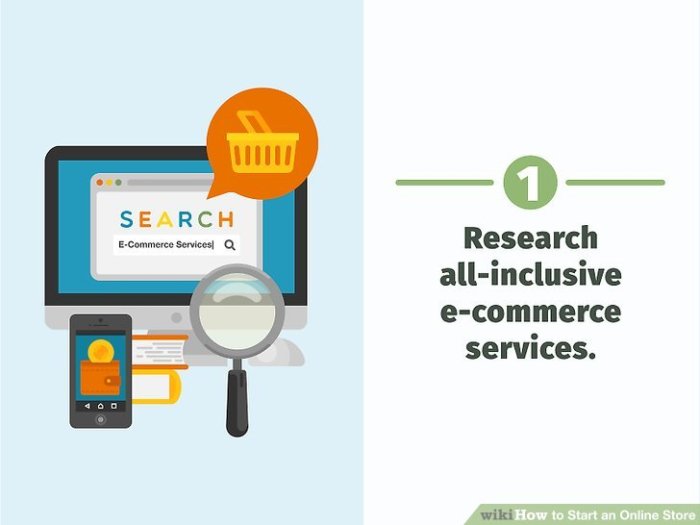
Starting an online store can be an exciting venture, offering the potential for entrepreneurship and flexibility. While the process may seem daunting at first, breaking it down into manageable steps can simplify the journey. Here’s a comprehensive guide to help you get your online business off the ground.
Steps Involved in Setting Up an Online Store
The first step in launching an online store is choosing the right platform. Whether you prefer an all-in-one solution or a more customizable approach, your choice of e-commerce platform is crucial. Here are some popular options:
- Shopify: Known for its user-friendly interface, Shopify is perfect for beginners and offers numerous templates and an extensive app market.
- WooCommerce: A WordPress plugin, WooCommerce is ideal for those who already have a WordPress site and want to add e-commerce features.
- BigCommerce: This platform caters to larger businesses with comprehensive features and scalability options.
- Etsy: For handmade or unique items, Etsy offers a niche marketplace that can help you reach your target audience without heavy marketing costs.
Once you select a platform, the next step involves customizing your store, including setting up your domain name, designing your storefront, and configuring payment gateways. Each of these elements plays a significant role in the customer experience and overall brand identity.
Importance of Product Selection and Sourcing
Choosing the right products to sell is pivotal for your online store’s success. This involves identifying a niche market, understanding consumer demand, and sourcing quality products. Here are some key points to consider:
- Market Research: Tools like Google Trends and social media insights can help gauge product popularity and emerging trends.
- Supplier Relationships: Establish strong connections with suppliers to ensure product quality and reliability. Consider options like dropshipping, wholesale buying, or creating your own products.
- Testing Products: Before fully committing to a product line, consider testing items with a small audience to gather feedback and gauge demand.
Effective product selection not only influences sales but also shapes your brand identity and customer loyalty.
Legal Considerations and Requirements
Entering the world of online commerce involves navigating a variety of legal considerations. Understanding these requirements is essential to operate within the law and protect your business. Key areas to focus on include:
- Business Structure: Choose a business structure that suits your needs, such as sole proprietorship, LLC, or corporation. Each has different legal and tax implications.
- Licenses and Permits: Depending on your location and the nature of your business, you may need specific licenses or permits to operate legally.
- Privacy Policies: Create a privacy policy that Artikels how you handle customer data and complies with regulations like GDPR or CCPA.
- Sales Tax Compliance: Understand the sales tax requirements in your state or region, ensuring you collect and remit taxes appropriately.
Establishing a solid legal foundation not only protects your business but also builds trust with your customers, ensuring they feel secure when making purchases from your online store.
Marketing Strategies for Online Stores
Effective marketing strategies are vital for the success of any online store. With the competitive landscape of e-commerce, establishing a strong online presence and engaging with potential customers through various channels can significantly impact traffic and sales. Below, we explore proven methods that can enhance how you market your online store.
Banner Advertising for E-commerce
Banner advertising plays a crucial role in driving visibility and traffic to online stores. These visual ads can be strategically placed on websites, social media platforms, and search engines to attract potential customers. The effectiveness of banner ads relies on their design, placement, and targeting.
- Strategic Placement: Positioning banners on high-traffic websites or relevant platforms ensures that your ads reach a wider audience. Utilize networks like Google Display Network to target specific demographics.
- Engaging Design: Create visually appealing banners that incorporate your branding, product images, and call-to-action buttons. Use bold colors and clear fonts to attract attention.
- Targeted Campaigns: Using tools like retargeting ads can help re-engage visitors who have shown interest in your products but did not make a purchase. This can significantly increase conversion rates.
- A/B Testing: Regularly test different designs, messages, and placements to determine what resonates best with your audience. This iterative process helps optimize your banner ad performance over time.
Email Marketing for Traffic and Sales
Email marketing remains one of the most effective methods for converting potential buyers into customers. It allows online stores to communicate directly with their audience, fostering relationships and encouraging repeat business.
- Building a Quality Email List: Focus on collecting emails through sign-up forms, offering discounts or exclusive content. An engaged email list is more likely to convert.
- Personalization: Craft personalized email messages that cater to individual customer preferences. Use their names and recommend products based on previous purchases.
- Regular Newsletters: Send periodic newsletters that showcase new arrivals, special promotions, and helpful content related to your products. Consistent communication keeps your brand top of mind.
- Segmentation: Segment your email list based on customer behavior or demographics to target specific groups with tailored messages. This increases relevance and engagement.
Utilizing Blogging for Visibility and Engagement
A well-maintained blog can significantly enhance the visibility of your online store while establishing authority in your niche. Blogging not only drives organic traffic but also engages your audience, encouraging them to explore your offerings.
- Content Creation: Develop high-quality, informative blog posts related to your products or industry trends. This content should address customer pain points and provide solutions.
- Optimization: Incorporate relevant s into your blog posts to improve search engine rankings. Use tools like Google Planner to identify trending search terms.
- Engagement Strategies: Encourage readers to leave comments and share posts on social media. Engaging with your audience fosters a community around your brand.
- Call-to-Action: Include clear calls-to-action within your blog posts to guide readers towards your products, whether through links, buttons, or featured items at the end of the posts.
Domain Names and Branding
Choosing the right domain name is a crucial step in establishing your online store. It serves as the first impression for potential customers and plays a significant role in your brand identity. A well-thought-out domain name can enhance your online presence and improve search engine optimization (), making it easier for customers to find you. The importance of branding in the realm of online retail cannot be overstated.
Effective branding creates trust, fosters customer loyalty, and differentiates you from competitors. It’s about cultivating an image and experience that resonates with your target audience, encouraging them to return to your store time and again.
Factors to Consider When Choosing a Domain Name
Selecting a domain name requires careful consideration, as it can influence your brand’s success. The key factors to keep in mind include:
- Relevance: Ensure that the domain name reflects your business’s products or services, making it easier for customers to understand what you offer.
- Simplicity: Choose a name that is easy to spell and pronounce. Complicated names can lead to confusion and lost traffic.
- Length: Shorter domain names are typically better for memorability and ease of typing. Aim for under 15 characters if possible.
- s: Incorporate relevant s if you can, as it can improve your . However, balance this with the need for creativity and branding.
- Extension: Choose the right domain extension, such as .com, .net, or .store. .com is the most recognized, but other extensions can be effective based on your business type.
- Availability: Check the availability of the domain name before you get too attached to an idea. Use tools to search for available names and variations.
Importance of Branding in Online Retail
Branding is essential in creating a unique identity for your online store. It extends beyond just a logo or color scheme; it encompasses the overall perception of your business in the eyes of consumers. Effective branding helps in:
- Building Trust: A strong brand creates a sense of reliability, making customers more likely to shop with you.
- Differentiating from Competitors: In a crowded market, a distinct brand sets you apart, helping potential customers remember and choose you over others.
- Creating Emotional Connections: Good branding connects with customers on an emotional level, often leading to long-lasting loyalty and repeat business.
- Enhancing Marketing Efforts: Consistent branding across all platforms strengthens your marketing campaigns and reinforces your brand message.
“Branding is the process of creating a unique name and image for a product in the consumers’ mind, mainly through advertising campaigns with a consistent theme.”
Relationship Between E-book Publishing and Establishing Authority
Publishing e-books can significantly enhance your authority within your niche. It positions you as an expert, allowing you to share valuable insights and knowledge with your audience.When consumers perceive you as an authority, they are more likely to trust your products and recommendations. This can lead to increased sales and customer loyalty. For example, an online store specializing in health products could publish an e-book on nutrition tips or healthy recipes.
By providing valuable information, the store not only enhances its brand but also establishes itself as a trusted source in the health niche. In summary, selecting an appropriate domain name and focusing on effective branding are vital components of a successful online store, while e-book publishing serves as a powerful tool for establishing authority in an online niche.
Ultimate Conclusion
In summary, embarking on the journey of starting an online store combines careful planning and innovative marketing strategies to ensure success. With the right approach to product selection, branding, and customer engagement, you can create a vibrant online presence that stands out and flourishes.
FAQ Insights
What do I need to start an online store?
You will need a business plan, a suitable e-commerce platform, a domain name, and a selection of products to sell.
How long does it take to set up an online store?
The setup time can vary, but with the right tools, you can launch your store within a few days to a couple of weeks.
Do I need to register my business before starting an online store?
Yes, it’s advisable to register your business to comply with legal requirements and build credibility with customers.
What are the best platforms for creating an online store?
Some popular platforms include Shopify, WooCommerce, and BigCommerce, each offering unique features.
How can I drive traffic to my online store?
Utilizing social media, email marketing, strategies, and paid advertisements can effectively drive traffic to your store.